Unheated vs Heated: Does It Really Matter?
7 min read · BKK Gems Gemologists
How Heat Treatment Works
Heat treatment is the most common enhancement applied to coloured gemstones, particularly sapphires and rubies. The process involves heating rough or cut stones in furnaces or kilns to temperatures between 1,200°C and 1,800°C for periods ranging from hours to weeks. At these temperatures, significant physical and chemical changes occur within the crystal structure.
In sapphires, heating dissolves rutile silk inclusions into the corundum lattice, dramatically improving transparency. It can also shift colour — pale, milky stones become clear and vivid; near-colourless material develops blue colour as iron-titanium interactions are activated by heat. For rubies, heating can reduce the purple modifier and intensify the red, while partially healing surface-reaching fractures.
The treatment is permanent and entirely stable — a heated stone stays heated for geological timescales. It is not reversible, and heated stones cannot be "de-treated."
What "No Heat" on a Certificate Means
When a GIA, AGL, Gübelin, or GRS report states "no indications of heating" or "no heat," it means the laboratory found no evidence of any heat-treatment signature within the stone. This includes: no rutile halos (stress fractures around dissolving silk), no altered inclusion morphology, no anomalous colour distributions associated with heating, and no artificial flux healing of fractures.
It is important to understand the epistemics here: labs cannot prove a stone was never heated. They can only report that no evidence of heating was detected. However, the technical tools available to major labs — including infrared spectroscopy, UV fluorescence, and high-magnification inclusion analysis — are sensitive enough that a "no heat" designation from a reputable lab carries very high reliability.
The Price Premium: Sapphires
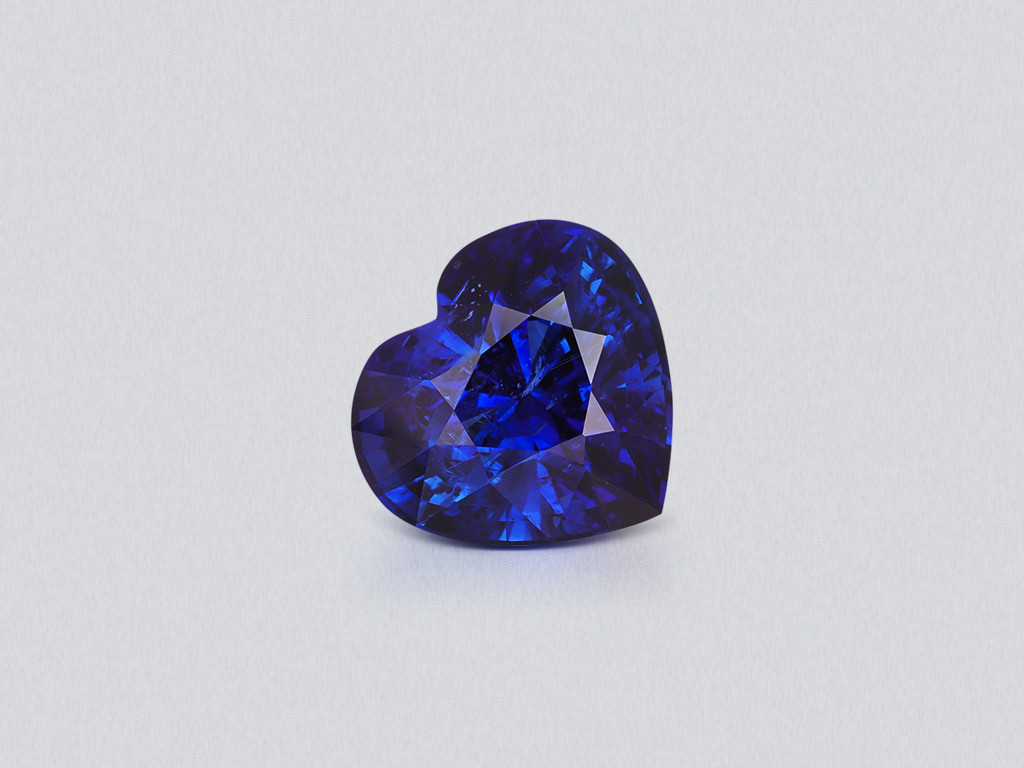
The price differential between heated and unheated sapphires of equivalent quality is substantial and well-documented. For Ceylon (Sri Lanka) sapphires, a heated stone with vivid blue colour might sell for $2,000–$4,000 per carat; a comparable No Heat stone commands $6,000–$15,000 per carat. The premium is approximately 2–5x depending on size, colour, and quality.
For Burma sapphires, the premium is similar in multiplier but higher in absolute terms given the rarer base. For Kashmir sapphires — already the rarest origin — virtually all specimens come with No Heat status, and this is baked into the baseline price.
The Price Premium: Rubies
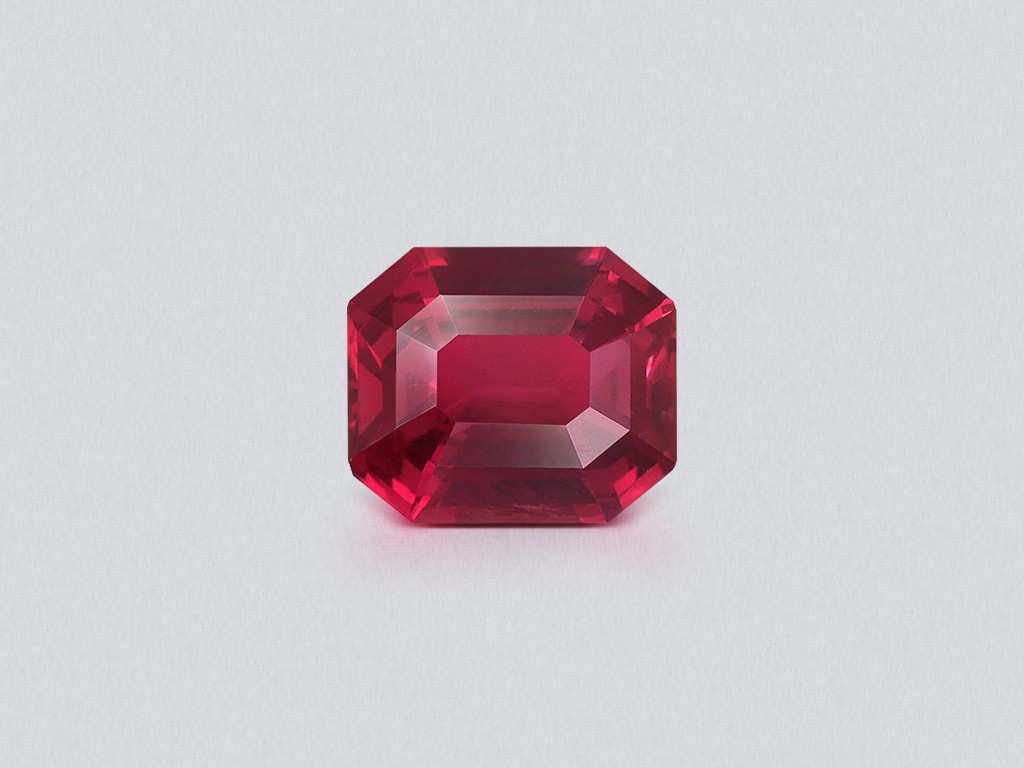
The unheated premium for rubies is even more dramatic. A fine Burma ruby of 2 carats with GIA certification (heated) might sell for $10,000–$20,000 per carat. The same stone with a No Heat designation from GRS or Gübelin would be $30,000–$60,000 per carat — a 3–10x premium depending on quality.
At the extreme end of the market, the no-heat designation is essentially a prerequisite for record auction prices. Every ruby that has sold for $50,000+ per carat at Christie's or Sotheby's has carried a No Heat certification.
When to Buy Heated
For buyers who want beauty, not investment documentation, heated gems are an excellent choice. A fine heated Ceylon sapphire at $3,000 per carat is genuinely beautiful. A heated Mozambique ruby at $2,500 per carat can be exceptional in colour and clarity. The jewellery wearing experience of a heated stone is identical to an unheated one.
Heated stones are significantly more available in all sizes, shapes, and colour qualities. For budget buyers or for making a piece of jewellery, heated stones offer far better value-per-visual-impact.
Labs That Test for Heat
GIA, GRS, Gübelin, AGL, and SSEF all conduct heat treatment analysis on sapphires and rubies. For investment purposes, GRS and Gübelin carry particular weight in the Asian and European auction markets. A No Heat determination from Gübelin on a Burma ruby, for example, is among the most powerful pieces of documentation in the coloured gem world.