A Different Kind of Store of Value
Alternative assets — gold, fine art, wine, classic cars — attract investors seeking returns uncorrelated to traditional markets. Rare coloured gemstones occupy a unique position within this universe. They are portable, durable, globally liquid through auction houses, and increasingly documented by a transparent certification ecosystem that gives buyers confidence in what they own.
Unlike equities or real estate, fine gemstones do not generate income. Their value comes from rarity, beauty, and the basic economics of fixed supply meeting growing demand. When the Bombay Burmah Trading Corporation closed the last significant Mogok ruby mines in the 1990s, and when Kashmir sapphire production effectively ended in the 1930s, the supply of these stones was permanently capped. New wealthy buyers from China, India, Southeast Asia, and the Middle East continue to enter the market each year.
Uncorrelated to Traditional Markets
During the 2008 financial crisis, prices for top-tier Kashmir sapphires and Burma rubies at Christie's and Sotheby's remained stable or rose. During COVID-19 lockdowns in 2020, auction results for certified fine gems held firm while equity markets fell 30–40%. This is not coincidence — it reflects the non-financial nature of gem demand. Buyers of a $500,000 Kashmir sapphire are not leveraged investors; they are ultra-high-net-worth individuals building collections or preserving wealth across generations.
Portability: The Decisive Advantage
A $1 million Kashmir sapphire weighs perhaps 5 grams. It can be carried in a jacket pocket across borders legally (with proper documentation), stored in a safe deposit box, and insured for a fraction of its value. Compare this to real estate, which is jurisdiction-specific, illiquid, subject to local taxation, and impossible to move. Or art, which requires climate-controlled storage, complex logistics, and is highly susceptible to fashion.
Which Stones Hold Value
Not all gemstones are investment grade. The stones with the strongest long-term track records share several characteristics: a single, well-documented provenance, irreplaceable supply, strong laboratory certification infrastructure, and a global collector base.
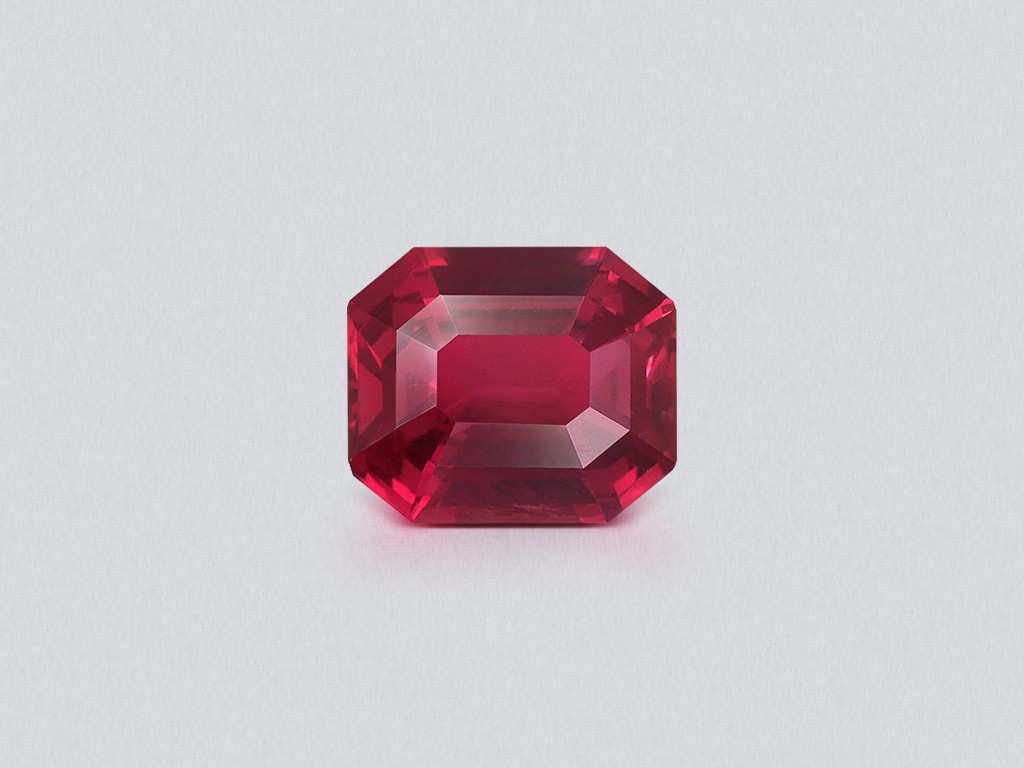
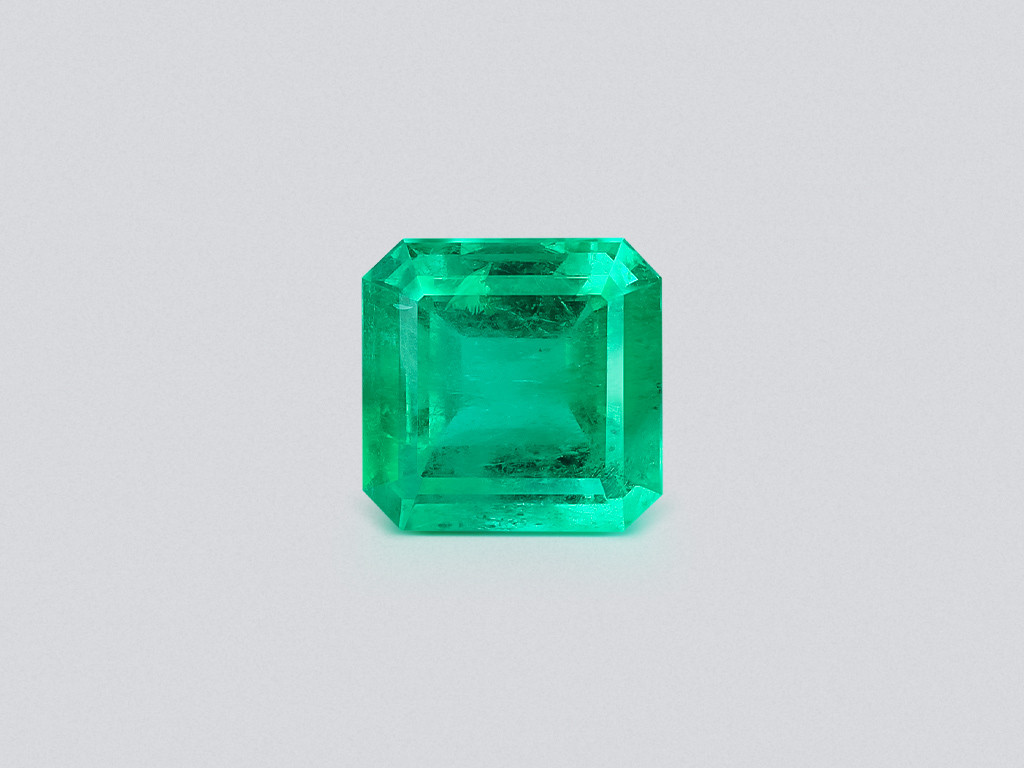
Kashmir sapphire has returned approximately 10–15% annually over the past 30 years when indexed through major auction results. Burma pigeon blood rubies, Colombian Muzo emeralds, and Brazilian Paraiba tourmalines with copper content certification have all shown similar appreciation. These are not diversified portfolios — they are high-conviction bets on specific, scarce categories.
Liquidity Considerations
Liquidity is the primary risk in gem investment. Unlike gold, there is no spot market for rubies. Selling requires either finding a private buyer, consigning to a dealer (at a significant discount), or selling at auction (where buyer's premiums can reach 25–28% and seller's commissions apply). Plan for a minimum 6–12 month liquidity horizon for significant pieces.
Certified vs Uncertified: Non-Negotiable
For investment purposes, certification from GIA, GRS, Gübelin, or SSEF is non-negotiable. An uncertified stone — regardless of apparent quality — has no verifiable provenance and will struggle to achieve fair market value at resale. Buyers at auction will not bid competitively on uncertified material. The certificate is not just documentation; it is the investment itself.
Auction House Records
Sotheby's, Christie's, and Bonhams are the primary liquidity venues for top-tier gems. Sotheby's Geneva Magnificent Jewels sale consistently sets price records. Monitoring these results over time gives investors the clearest picture of where real value lies — and the data consistently shows that Kashmir sapphires, Mogok rubies, and Colombian emeralds command the strongest premiums.