Spinel: The Most Underrated Gemstone
6 min read · BKK Gems Gemologists
A Gem That Hid in Plain Sight
The Black Prince's Ruby — the large red stone set in the Imperial State Crown of England — is not a ruby. It is a spinel. The Timur Ruby, another famous stone in the British Royal Collection, is also a spinel. For centuries, these two minerals were indistinguishable to the naked eye and were grouped together under the name "balas ruby." Only in the 19th century, with the development of crystallographic analysis, were spinel and corundum definitively separated.
This historical confusion has a silver lining for modern buyers: spinel, despite its beauty and rarity, remained undervalued relative to ruby for most of the 20th century. That is changing rapidly, but significant value opportunities remain.
Never Enhanced: A Remarkable Distinction
In a gemstone market where heat treatment is universal and other enhancements are common, spinel stands apart: it is never enhanced. There are no standard treatments applied to spinel. What you see is what the earth produced. This means every spinel on the market — regardless of colour or origin — is 100% natural, requiring no disclosure qualifications and no treatment premium calculations.
This is increasingly valuable to buyers and collectors who want gem integrity without compromise. It also simplifies purchasing: you do not need to ask about treatment or verify treatment status. The stone is natural by definition.
Origins: Burma and Mahenge
The two most prized spinel origins are Burma (particularly the Mogok Valley) and Mahenge, Tanzania. Burmese spinels are associated with classic vivid reds, hot pinks, and magentas, with a characteristic fluorescence that gives them exceptional brilliance. Mogok spinels have the longest history and the deepest collector following.
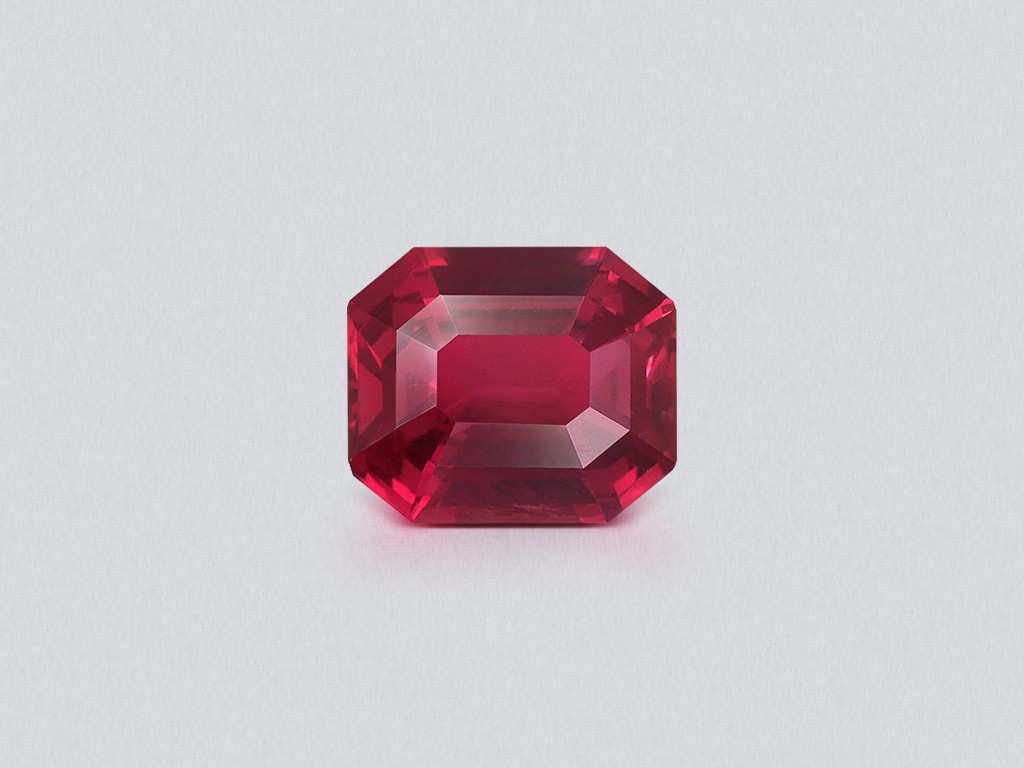
Mahenge, Tanzania emerged as a major source in the early 2000s and immediately attracted attention for its extraordinary neon colours. Mahenge spinels range from vivid pink to intense red to orange-red, with an electric quality under both natural and artificial light. The finest Mahenge reds and hot pinks compete directly with Burma material for collector attention.
The Rarest Colours: Cobalt Blue
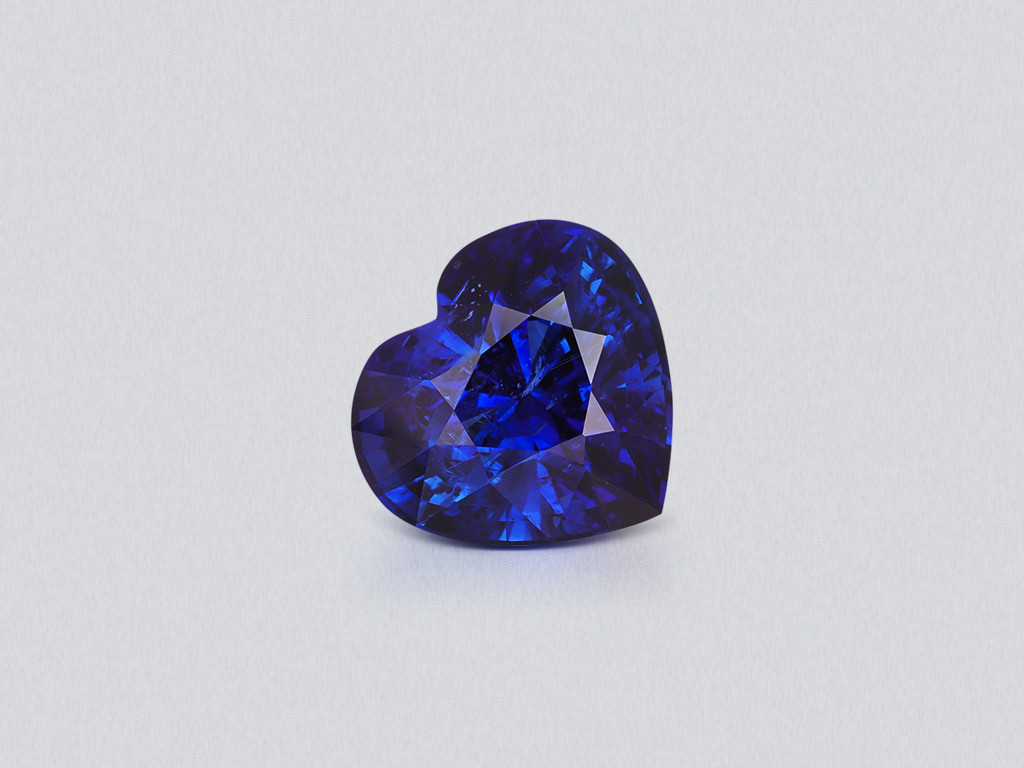
Cobalt blue spinel is the rarest and most valuable colour variant. The blue is caused by cobalt (rather than iron or vanadium, which colour most blue gems) and results in an extraordinarily saturated, almost electric blue. Fine cobalt blue spinel, primarily from Sri Lanka and Vietnam, can command $10,000–$50,000 per carat for clean material above 2 carats.
Mahenge also produces a distinctive neon pink-red that some describe as "hot pink" — stones of this colour with high saturation and no treatments have appreciated dramatically since 2010. What traded at $1,000–$2,000 per carat in 2010 now commands $5,000–$15,000 per carat for fine material.
Price Appreciation 2010–2025
The spinel market has been one of the strongest performers in coloured gemstones over the past 15 years. Increased coverage by GIA and Gübelin (both now issue origin reports for spinel), growing collector interest, and the "no treatment" narrative have driven prices steadily upward. Fine Burma red spinel has risen approximately 300–400% in real terms since 2010. Mahenge neon pink and cobalt blue have risen even more sharply from lower bases.
For buyers looking for stones with strong fundamentals, limited supply, beauty, and no treatment complications, spinel offers a compelling proposition.