Kashmir Sapphire: Why It Commands a 10x Premium
7 min read · BKK Gems Gemologists
Discovery at the Top of the World
In 1881, a landslide in the Paddar district of Kashmir, in what is now the northern Indian state of Jammu & Kashmir, exposed an extraordinary cache of blue crystals. Local shepherds found them and initially used them as arrowheads and trade goods. When the stones reached gem dealers in Srinagar, their exceptional quality was immediately recognised.
The deposit was located at approximately 4,900 metres above sea level in the Zanskar Range — a logistically brutal location accessible only during short summer windows. Despite the difficulty, miners worked the deposits intensively through the late 19th century under patronage of the Maharaja of Kashmir and later the British colonial administration. By the 1920s, the richest seams were largely exhausted. By the 1930s, significant production had effectively ceased.
The Velvety Texture: Silk and Light
Kashmir sapphires are immediately recognisable to experienced buyers by their distinctive optical character. The stones display a "velvety" or "sleepy" quality — a soft, internally illuminated blue that differs from the crisp brilliance of Ceylon sapphires or the intense saturation of Burmese material. This texture is caused by microscopic silk inclusions — fine needles of rutile that remain partially unresolved in the corundum lattice. These inclusions scatter light within the stone, creating the characteristic glow.
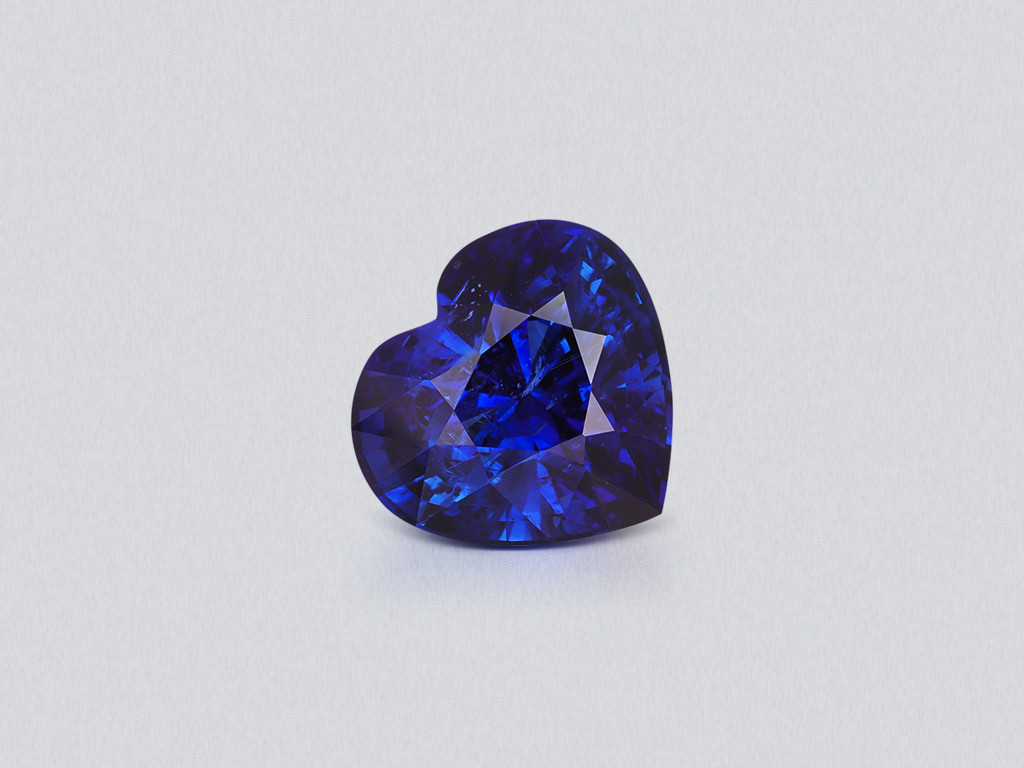
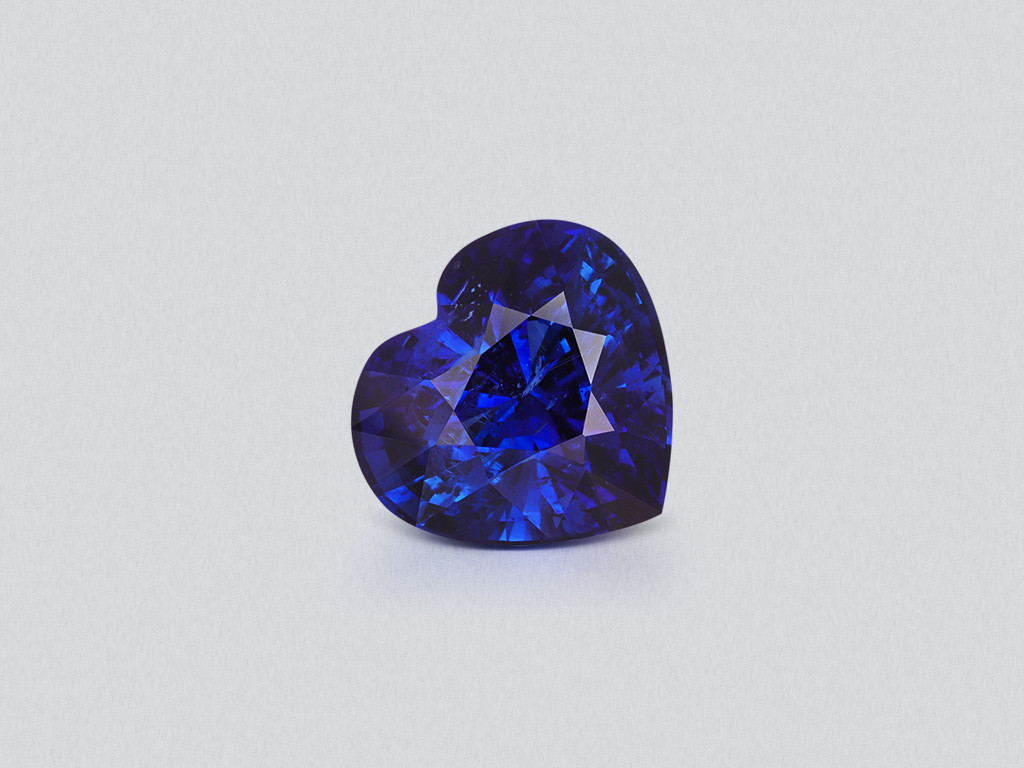
The colour is described as "cornflower blue" — a pure, medium-toned blue evoking the wildflower of that name, neither too dark nor too pale. Some dealers use the phrase "blue of a summer sky at noon." It is a specific, identifiable colour that no other sapphire origin consistently replicates.
No Mining Since the 1930s: Fixed Supply
The mine has not produced meaningful quantities of gem-quality sapphires for approximately 90 years. Sporadic attempts to reopen the deposit have yielded minimal results. The geological conditions that produced the exceptional Kashmir sapphires — specific combinations of temperature, pressure, and fluid chemistry — cannot be artificially replicated.
This means the total population of Kashmir sapphires is fixed. Every stone on the market today is at least 90 years old. As time passes and stones are occasionally lost, broken, or buried in private collections, the accessible supply decreases. Demand, meanwhile, has only grown as the collector market has globalised.
Auction Records and Price Benchmarks
Christie's and Sotheby's major jewellery sales consistently feature Kashmir sapphires as headline lots. A 27.68-carat Kashmir sapphire sold at Sotheby's Geneva for over $6.7 million — approximately $242,000 per carat. A 35.09-carat Kashmir sold for $7.4 million. These are not outliers; they reflect the established market for exceptional material.
For buyers at more accessible levels, a fine 2-carat Kashmir sapphire with SSEF or Gübelin certification typically trades at $40,000–$80,000 per carat from reputable dealers. A 5-carat stone: $80,000–$150,000 per carat. The scale is exponential.
Certification: SSEF and Gübelin Are Required
For Kashmir sapphires, two labs are considered definitive: SSEF (Swiss Gemmological Institute) and Gübelin Gem Lab, both in Switzerland. Both have extensive reference collections and geochemical databases for Kashmir material built over decades. A Kashmir origin determination from either lab is a prerequisite for achieving auction-house prices.
GIA also provides Kashmir origin determinations and its certificates are widely accepted, but for investment-grade stones, the Swiss labs carry particular prestige.
How to Buy
Most Kashmir sapphires enter the market through auction houses or established dealers with provenance documentation. When buying from a dealer, always verify the lab report number independently on the issuing lab's website. Compare the physical stone to the certificate description. For stones above $50,000, independent appraisal by a certified gemologist is advisable before purchase.