Why Cut Shape Matters for Coloured Stones
In diamonds, cut is primarily about maximising sparkle through specific proportional formulas. In coloured gemstones, cut serves a different purpose: managing colour. The shape and proportions of a coloured stone determine how much of its colour you see face-up, whether that colour is even, and how much light the stone loses to extinction or windowing. Understanding the major cut shapes helps you choose not just aesthetically but practically.
Oval: The Coloured Stone Classic
The oval brilliant is the most popular cut for sapphires, rubies, and most premium coloured gems. Its elongated shape maximises face-up colour coverage, maintains high carat weight relative to its dimensions, and suits a wide range of settings. The oval's curved outline avoids the pointed corners of other shapes that can chip during setting or wear.
For blue sapphires specifically, the oval cut allows cutters to orient the stone to show the richest blue face-up while retaining maximum weight. A well-proportioned oval sapphire with a length-to-width ratio between 1.3:1 and 1.5:1 is considered ideal by most buyers.
Cushion: Antique Character
The cushion cut is a square or rectangular shape with rounded corners and larger facets than modern brilliant cuts. It evokes the "old mine cut" of antique stones and has a warmer, softer appearance than contemporary cutting styles. Spinels and sapphires particularly suit the cushion cut, which shows colour evenly and has a romantic, vintage quality.
Cushion cuts vary significantly — some are high-domed with few facets (antique style), others are flat with many smaller facets (modern cushion modified brilliant). The choice affects how the stone handles light and how saturated the colour appears face-up.
Octagon / Emerald Cut
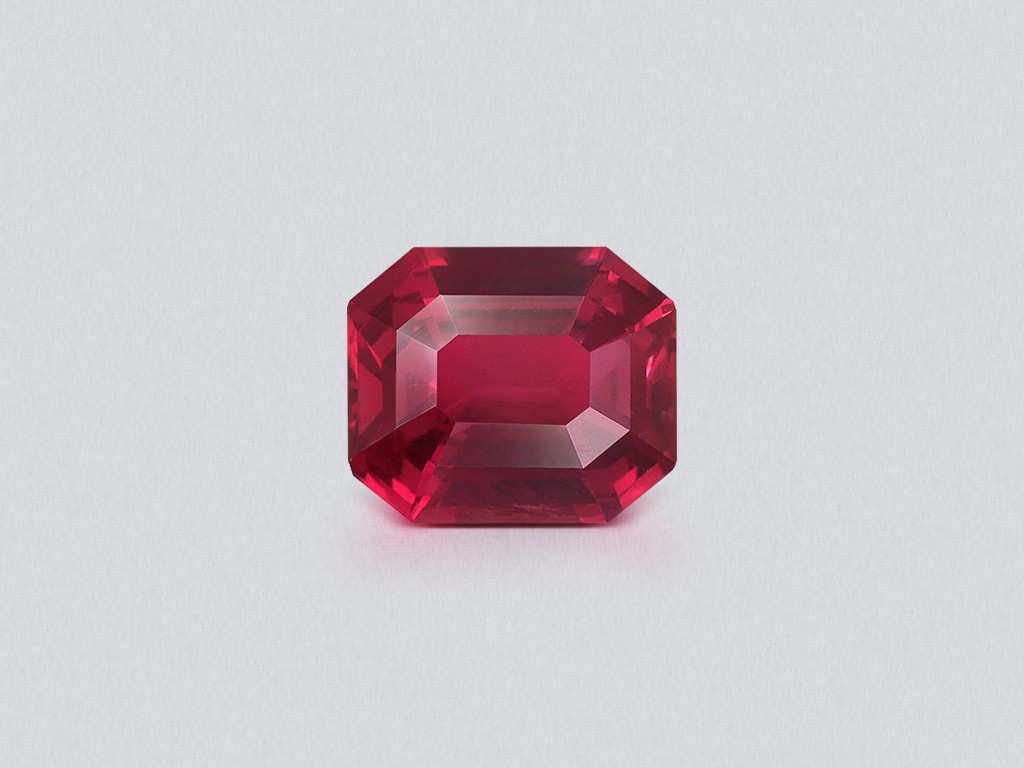
The emerald cut — also called octagon cut — is a rectangular step-cut with trimmed corners and parallel facet rows rather than brilliant-style radial facets. This cut was developed specifically for emeralds to show off the stone's colour and clarity while minimising the mechanical stress on brittle material during cutting.
The emerald cut's long, open facets create a "hall of mirrors" effect that suits emeralds and clean, well-coloured sapphires beautifully. It is an honest cut — there is nowhere to hide. A windowed or poorly proportioned stone looks worse in an emerald cut than in a brilliant cut. But a fine, eye-clean stone with great colour looks extraordinary.
Pear and Marquise: The Elongators
Pear-shaped and marquise cuts appear larger than their carat weight suggests due to their elongated outlines. Pears are particularly popular for pendants and drops, where the pointed tip hangs down attractively. The elongation creates a flattering effect when worn and suits many coloured stones.
The marquise — a pointed oval — is less common in coloured stones than in diamonds but suits rubies and garnets beautifully when well proportioned.
Round Brilliant: Maximum Sparkle
The standard round brilliant cut, with 57 or 58 facets arranged in a specific geometric pattern, maximises light return and brilliance. It is less common in coloured gems for two reasons: it wastes more rough material (round shapes cannot be recovered from many crystal forms), and it emphasises sparkle over colour depth. However, round brilliant sapphires and rubies can be exceptional for vivid, saturated material where the extra scintillation adds liveliness.
Radiant: The Best of Both Worlds
The radiant cut combines the square or rectangular outline of an emerald cut with the brilliant-style facets of a round, giving maximum colour saturation with excellent sparkle. It is increasingly popular for sapphires and has a modern, bold appearance.
Heart: Romantic and Demanding
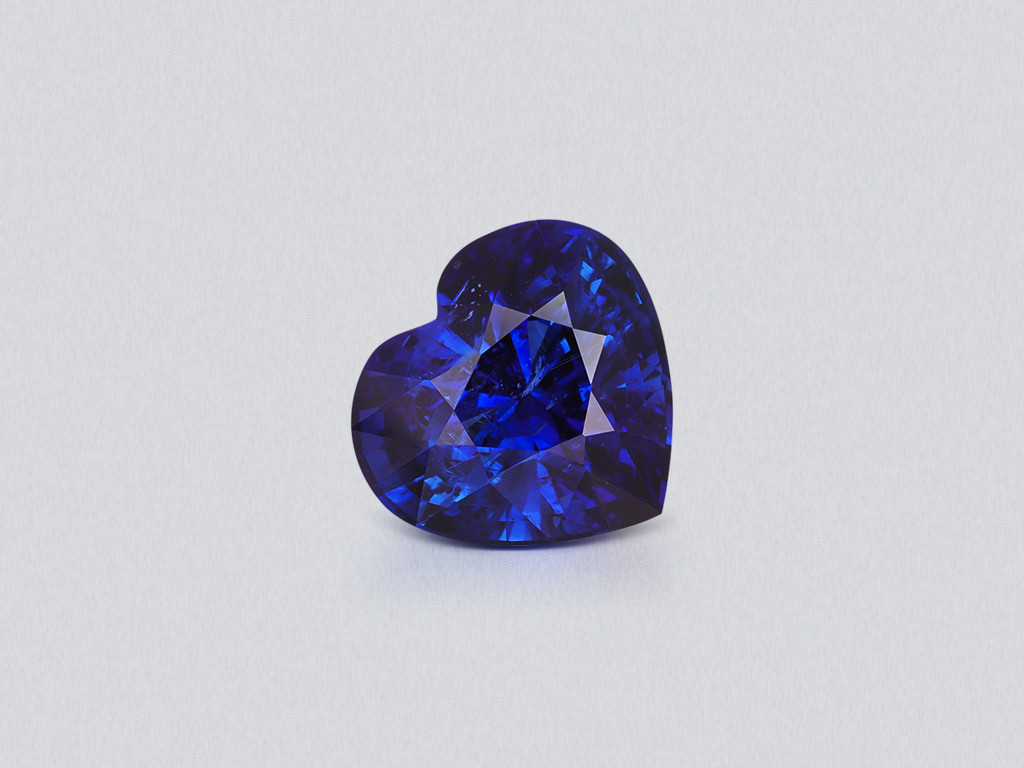
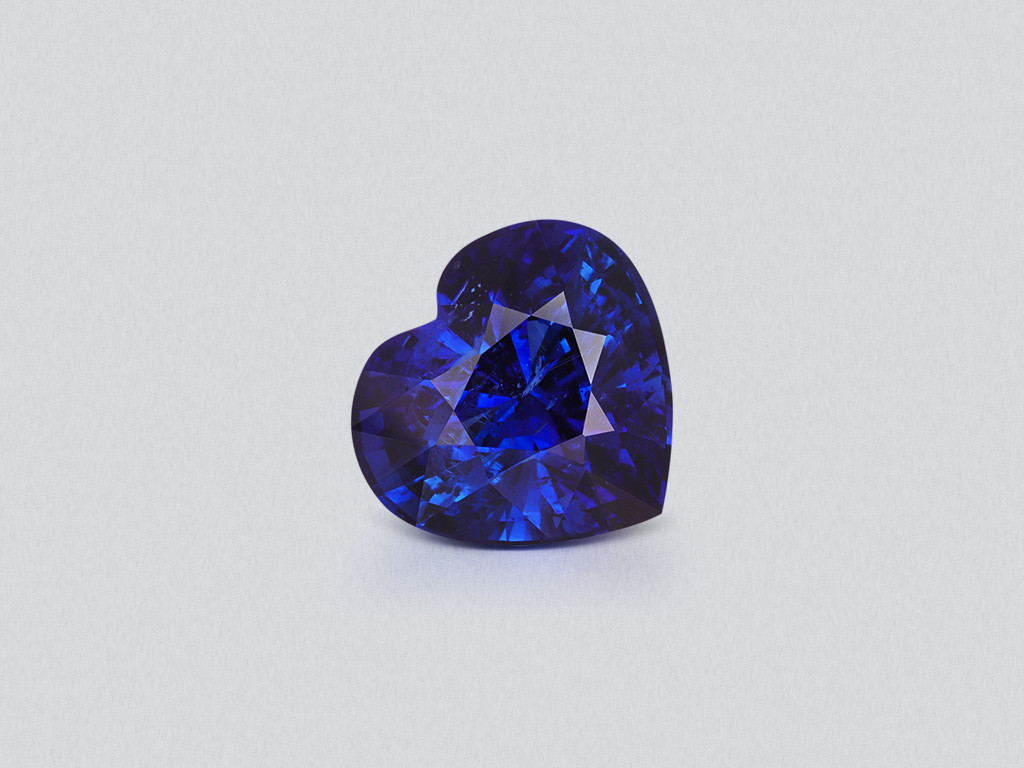
Heart-shaped stones are cut to maximise romantic visual impact. They require exceptional skill to cut symmetrically — the two lobes must be perfectly matched. They are best suited to large, clean stones in vivid colours where the outline reads clearly.