Rarity as an Investment Thesis
In any market for finite goods, fixed supply meeting growing demand produces price appreciation over time. In the gemstone world, the most compelling investment cases centre on stones whose supply is demonstrably fixed — not merely scarce, but categorically capped. The five gems below represent the clearest instances of irreplaceable supply combined with established collector demand.
1. Kashmir Sapphire
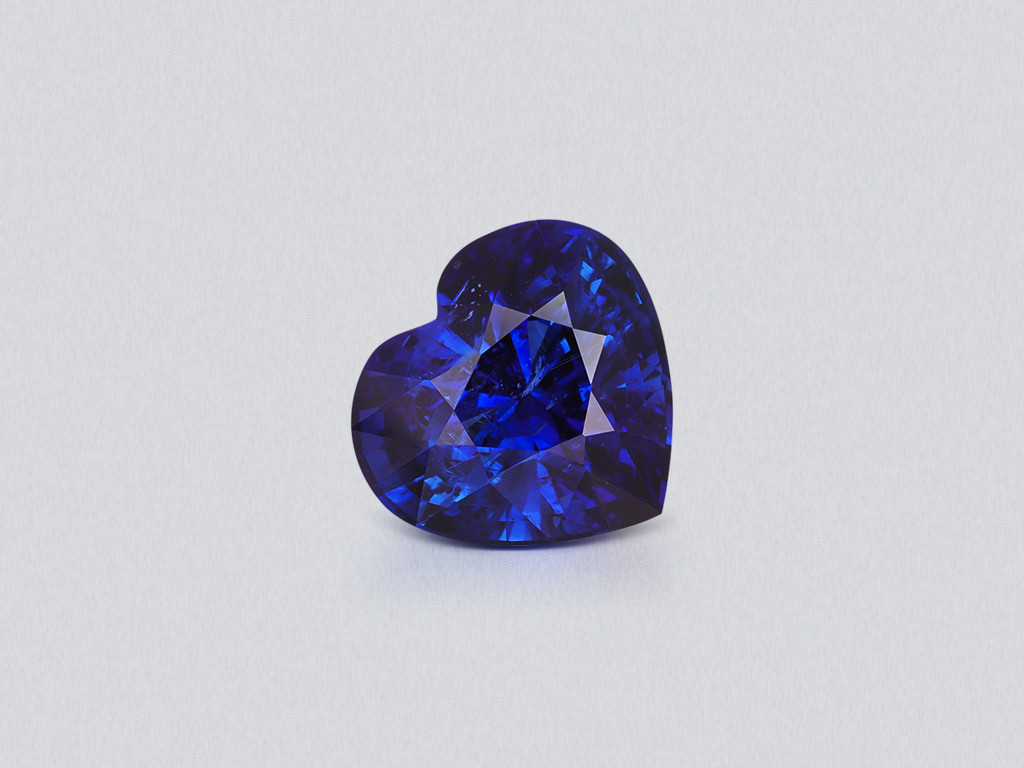
The Paddar district of the Himalayas, in the Zanskar range of Kashmir, was discovered as a sapphire source in 1881. The deposit produced extraordinary blue sapphires for approximately 50 years before the accessible seams were exhausted. By the 1930s, significant production had ceased. Since then, there has been no meaningful new production from the original Kashmir deposit.
What this means for collectors: every Kashmir sapphire on the market today was mined before World War II. The supply is absolutely fixed and slowly decreasing as stones are occasionally lost or damaged. Meanwhile, the number of collectors who recognise and seek Kashmir sapphires increases every year. Christie's and Sotheby's auction records for Kashmir sapphires have set new highs in nearly every major sale cycle, with prices exceeding $200,000 per carat for fine specimens.
2. Pigeon Blood Burma Ruby
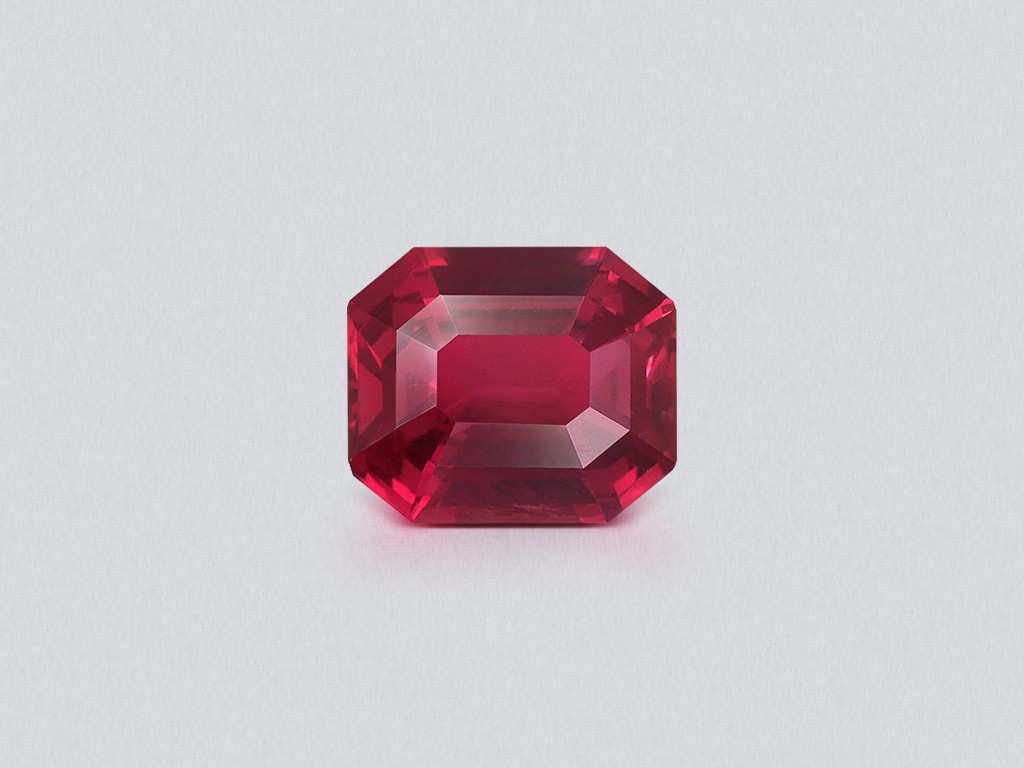
Mogok Valley rubies with unheated status and confirmed pigeon blood colour designation represent a sub-1% subset of the ruby market. The Mogok mines have produced sporadically since the 1990s, but high-quality unheated material is vanishingly rare. A combination of Burma origin, pigeon blood colour, and no heat treatment is so rare that major auction houses treat these stones as special category lots.
The record price for a ruby at auction — over $1.1 million per carat — was achieved by a Burma pigeon blood stone. These gems are not merely rare; they are the benchmark against which all other rubies are measured.
3. Russian Alexandrite
The Ural Mountain deposit that produced the finest colour-change alexandrites is effectively exhausted. Russian alexandrite — showing strong green-to-red colour change — is estimated to exist in collectible quality in fewer than 1,000 specimens globally. Stones above 3 carats with strong colour change from confirmed Russian origin are extraordinarily rare and can command $50,000–$150,000 per carat or more.
4. Brazilian Paraiba Tourmaline
Total production from the original Paraíba state deposit in Brazil is estimated at under 2 kilograms of gem-quality material. All of it has already been mined. Every Brazilian Paraíba tourmaline on the market today is from that original, exhausted stock. The neon copper-bearing colour is unrivalled by any other gemstone category, and the combination of neon blue colour and verifiable Brazilian origin has driven prices from $1,000 per carat in the 1990s to $30,000–$80,000 per carat today for fine material.
5. Painite
Painite was once listed in the Guinness World Records as the rarest mineral on earth. First identified in Burma in the 1950s, only two crystals were known to exist for over 40 years. Subsequent discoveries in the Mogok region increased the known count to several hundred specimens by the 2000s — still extraordinarily rare. Gem-quality faceted painite exists in perhaps a few dozen examples worldwide. Its collector base remains small relative to the stones above, but for those pursuing true geological rarity, painite represents the extreme end of the spectrum.
Investing in Rarity
All five of these stones require significant expertise to buy well. Certification from Gübelin, GRS, or SSEF is essential for Kashmir sapphires and Burma rubies. Copper content testing from a major lab is required for Paraíba. Provenance documentation matters for alexandrite. None of these should be purchased without professional guidance.