Not Your Diamond Framework
The 4 Cs — Cut, Colour, Clarity, Carat — were developed by GIA for diamonds and have become the universal literacy of the gem world. For coloured stones, the same four factors apply, but their relative weight is dramatically different. Understanding the coloured stone hierarchy is essential for making informed purchases.
Colour Is King
In coloured gemstones, colour accounts for approximately 50–70% of the stone's value. This is fundamentally different from diamonds, where cut often drives the most value. A sapphire with extraordinary colour but modest clarity will dramatically outperform a clean sapphire with dull, grey colour.
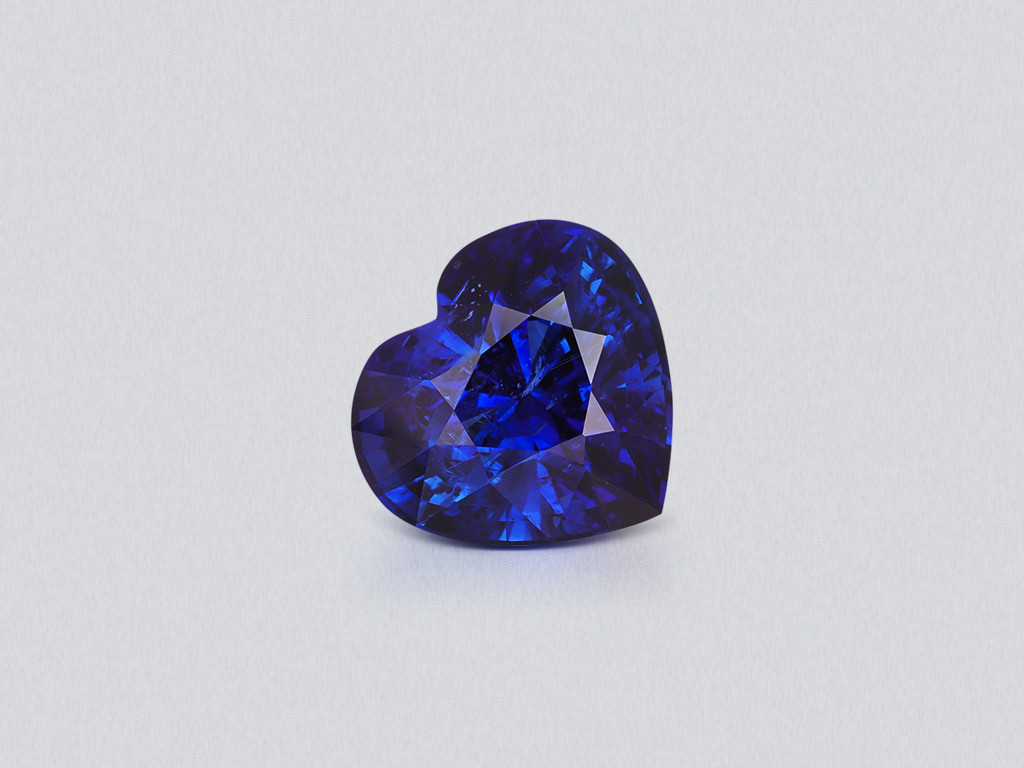
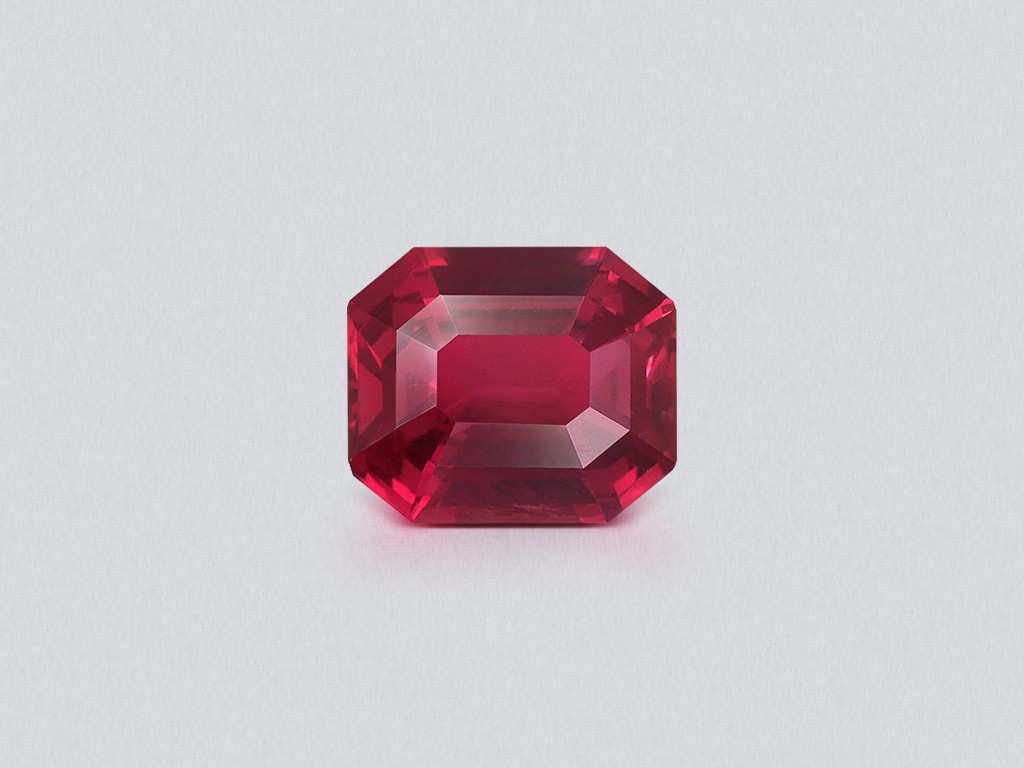
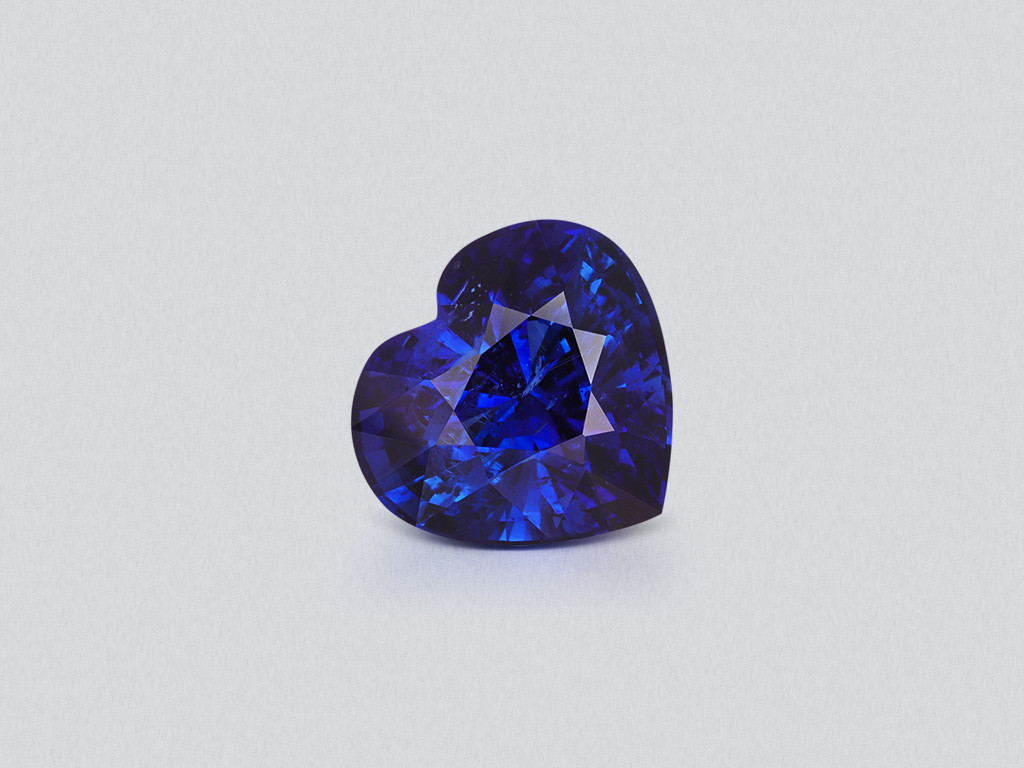
Colour is assessed across three dimensions: hue (the primary colour and any modifiers), tone (how light or dark), and saturation (how pure and intense the colour is, free from grey or brown desaturation). For blue sapphires, the ideal is pure blue with minimal violet or green modifier, a tone between 75 and 85 on a 100-point scale, and "vivid" saturation. For rubies, pure red with minimal pink or orange modifier at the highest achievable saturation defines the target.
"Vivid" is the highest saturation grade in the GIA system for coloured stones. A stone achieving this grade commands a significant premium regardless of other factors.
Clarity: Eye-Clean Is the Standard
Unlike diamonds, where clarity is examined under 10x magnification and graded stringently, coloured gemstones are primarily assessed for clarity as viewed with the naked eye. The industry standard for most gems is "eye-clean" — no inclusions visible without magnification when the stone is viewed face-up at arm's length. Stones that meet this standard at vivid colour grade are considered excellent quality.
The exception is emerald. Virtually all emeralds contain inclusions (jardin), and these are expected and accepted. An emerald is evaluated relative to other emeralds rather than against a clean standard.
Cut: The Colour Sculptor
In coloured stones, cut is not about maximising sparkle (as in diamonds) — it is about maximising colour saturation and minimising optical defects. A well-cut coloured stone will appear uniformly coloured across its face, with consistent tone and no dead zones.
Two common cutting defects are windowing and extinction. Windowing occurs when the pavilion is too shallow — light passes straight through the stone rather than reflecting back, creating a pale "window" through which you can see your finger. Extinction occurs when the pavilion is too deep — areas of the stone go completely dark under certain viewing angles, losing all colour and brilliance. A properly proportioned stone eliminates both defects.
Coloured stones are typically cut to weight retention rather than ideal proportions, since rough is expensive. This means many stones on the market have suboptimal cuts that affect their appearance. A stone that maintains excellent colour despite imperfect proportions is rarer and more valuable than one requiring perfect cut to look good.
Carat: The Exponential Price Jump
Carat weight in coloured stones is exponentially priced. Price-per-carat increases significantly at threshold sizes: 1 carat, 3 carats, 5 carats, and 10 carats are the major milestones. A 0.9-carat sapphire might sell for $1,500 per carat; a 1.05-carat stone of comparable quality might be $2,500 per carat. A 5-carat fine sapphire can command 3–5x the per-carat price of a 1-carat equivalent.
Large coloured stones — particularly rubies and sapphires above 5 carats in fine quality — are genuinely scarce. The price step-up at each milestone reflects this increasing rarity.
Prioritising the Four
For most buyers: prioritise colour first, then eye-clean clarity, then carat size, and treat cut as a quality check rather than a primary driver. Investors should add a fifth consideration: origin and treatment status, which often outweigh all four Cs in determining long-term value.